







Search Results for: Tea Tasting Techniques
A Comprehensive Analysis of Professional Tea Tasting Techniques: How to Properly Use Your Tongue and Mouth to Perceive Tea's Aroma, Mouthfeel, and Aftertaste
To truly appreciate the complex layers and subtle flavors of a fine tea, ordinary brewing is far from enough—you also need a refined tasting method. This article covers everything from choosing utensils and controlling water temperature to the actual drinking motions, explaining in detail how professional tea tasters use "slurping" to let the tea fully contact the air, thereby releasing more aroma; at the same time, it teaches you how to assess the body of the tea, the changes in flavor, and the length of the finish after swallowing. The article also mentions that this slurping method is equally common in coffee cupping, and Front Street Coffee applies a similar principle when evaluating coffee beans. Whether you are a tea enthusiast just starting out or a seasoned lover, these techniques can help you experience the full pleasure that tea has to offer. [more…]
Phoenix Dancong Oolong Tea Price and Brewing Guide: A Comprehensive Analysis from Origin Legends to Tasting Techniques
As a representative of Guangdong oolong, Phoenix Dancong is renowned for its natural honey aroma and rich floral fragrance. Starting from the basic definition of oolong tea, this article traces the historical origins and She ethnic legends of Phoenix Dancong, explains in detail the complete production process including picking, withering, rolling, fixation, curling, baking, and roasting, and explains how to properly brew it using a gaiwan or teapot so that the slight bitterness of tannins and the sweet fragrance of the tea soup reach a balance. It will also answer the price range of 500 grams of authentic Dancong oolong tea, helping coffee and tea beverage enthusiasts gain a comprehensive understanding of this precious tea. [more…]

Coffee Tasting Techniques: How Slurping Helps Us Experience the Flavor of Single-Origin Pour-Over More Fully
In coffee shops, you occasionally hear someone make a peculiar sound while drinking coffee—this is actually a tasting method called "slurping." Although it may not sound elegant, it genuinely helps us capture the flavors of coffee more fully. By changing the temperature and form of the coffee as it enters the mouth, slurping atomizes the liquid and accelerates the release of aromas, while also restoring the taste buds' sensitivity at the right temperature, enabling a clearer distinction of flavor layers such as sourness, sweetness, and bitterness. This article uses Front Street Coffee's Sidra beans as an example to walk you through the specific technique and principles of slurping, helping you understand why this seemingly crude method actually lets you get a head start on experiencing the richer, more delicate flavors in coffee. [more…]
A Complete Guide to Chaoshan Gongfu Tea: Tea Leaf Quantity and the Eight-Step Brewing Method—From Choosing Utensils to Tasting Techniques
Chaoshan Gongfu Tea is a shining pearl in Chinese tea culture, originating from Chaozhou, Guangdong, and still preserving an ancient and pure brewing tradition to this day. Unlike the modern Gongfu tea popular today, Chaoshan Gongfu Tea emphasizes a high tea-to-water ratio and quick pours, brewing only three times to pursue the richest aroma and flavor. This article will introduce in detail the historical origins of Chaoshan Gongfu Tea, the tea-to-water ratio, the choice of tea utensils, and the complete eight-step brewing method, helping you master this traditional skill. Whether you are trying it for the first time or hoping to refine your technique, you will gain practical guidance from it. [more…]
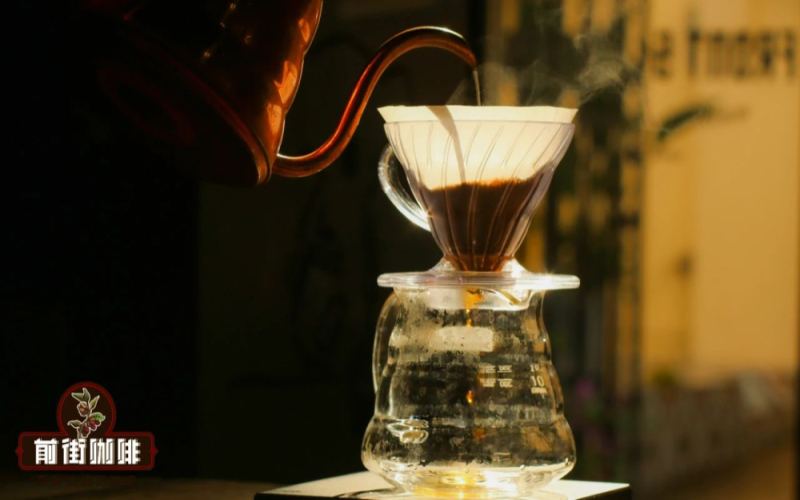
Specialty Coffee Floral Tasting Guide: Aroma Selection and Sniffing Techniques for Light-Roast Beans
The charm of coffee goes far beyond waking you up—what truly fascinates is the details hidden in every wisp of aroma. The floral flavors of specialty coffee are the first key that opens the door to the world of flavor for many enthusiasts. This article starts with the origins of floral aromas and introduces several Front Street Coffee beans known for their floral notes, including Yirgacheffe Gutingding, Natural Huakui, and Boquete Geisha, analyzing their respective aroma characteristics and suitable brewing methods one by one. At the same time, we will also share a complete aroma-sensing method that goes from dry fragrance, wet aroma, to finish and sipping, helping you more clearly capture those light, sweet floral layers in your daily brewing, and truly understand the "floral code" in coffee. [more…]
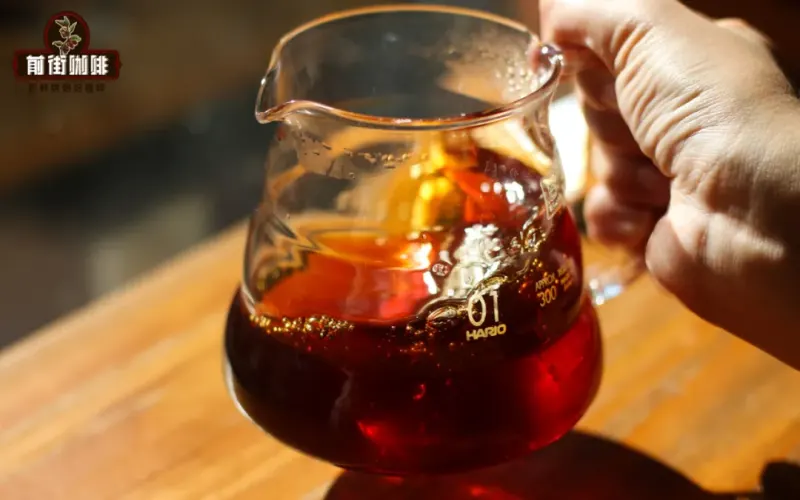
A Beginner's Guide to Coffee Tasting: From Aroma to Aftertaste, Master the Core Techniques of Flavor Description in Five Steps
Many friends who are just getting into specialty coffee, when faced with a cup, can only say "it's good" or "it tastes like coffee," while those around them can rattle off professional terms like floral notes, fruity acidity, and body. In fact, coffee tasting is not a gift—it is a method that follows a set of rules. Drawing on Front Street's practical experience, this article systematically explains the five key steps of coffee tasting—aroma, taste, flavor, mouthfeel, and aftertaste—to help you build a complete tasting framework, learn to translate sensory experience into precise language, and bid farewell to being at a loss for words, truly understanding every layer of expression in the cup. [more…]
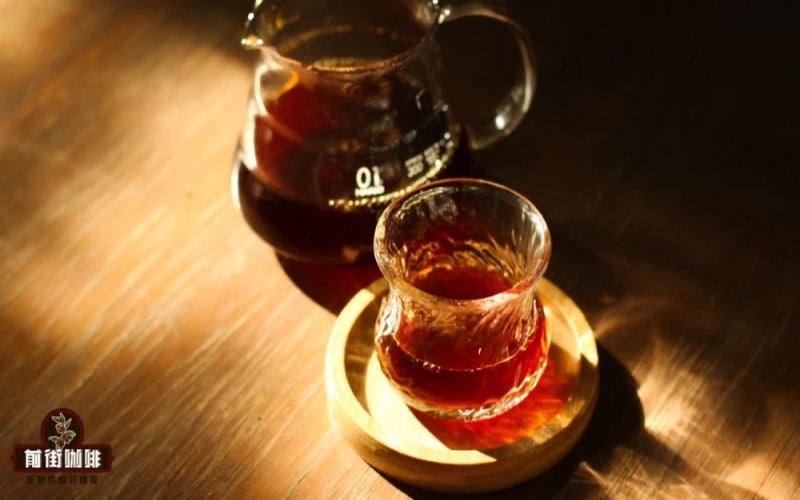
Using Blue Mountain No. 1 as an example, master the five key steps and descriptive techniques for coffee tasting
Friends who are just getting into coffee often feel that tasting is some mysterious art, not knowing where to start, and unable to come up with more than a few decent descriptors. In fact, there is a universal method for tasting coffee that anyone can follow: simply perceive it in a fixed order, and you can judge the quality of a cup and turn the experience into precise language. This article uses Front Street Jamaican Blue Mountain No. 1 coffee beans as an example, breaking things down one by one across five dimensions—aroma, taste, flavor, mouthfeel, and aftertaste—to help you build a complete tasting framework and gradually become a tasting expert who can describe coffee articulately. [more…]
Espresso Tasting and Pairing Handbook: Drinking Techniques and Flavor Pairings from Single to Con Panna
Espresso, called by many seasoned enthusiasts the gongfu tea of the coffee world, is both the base of flavored coffee drinks and a way to present pure flavor on its own. This article systematically sorts through the drinking methods and pairing suggestions for four classic espressos—Single espresso, Macchiato, Double espresso, and Con panna—breaking down the finer points one by one, from cup volume, milk foam, and strength to the thickness of the crema. At the same time, it combines Front Street Coffee's product recommendations to help coffee lovers find the cup that suits them better, whether at home or in a café. [more…]
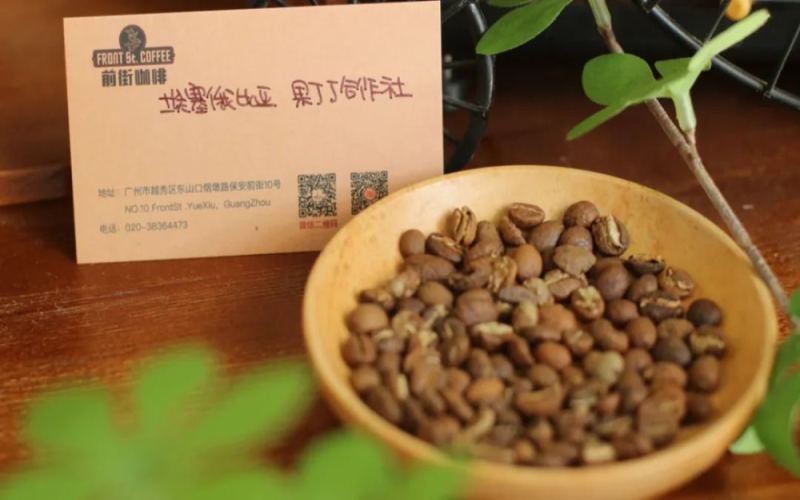
Hand-Brewed Yirgacheffe Floral and Lemon Flavor Analysis: A Complete Guide to Water Temperature, Coffee-to-Water Ratio, and V60 Brewing Techniques
Yirgacheffe is beloved by coffee enthusiasts for its signature floral aroma and citric acidity, but how can you brew a clean, bright, and layered pour-over Yirgacheffe at home? Starting from Front Street Coffee's roasting approach and cupping flavors for Yirgacheffe, this article compares in detail the flavor differences between two beans—the washed Gedingding Cooperative and the natural Red Cherry—and, centered on water temperature, grind size, coffee-to-water ratio, and the extraction principles of the V60 dripper, fully shares a café-level three-pour brewing method. Whether you prefer a fresh tea-like character or a fuller fermented aroma, you can find brewing parameters and tasting references that suit you. [more…]
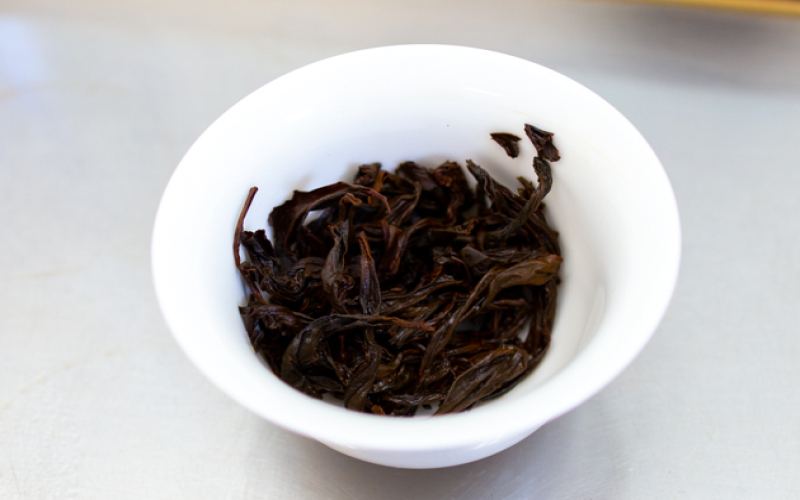
Qimen Maofeng Black Tea Flavor Analysis: Origin Tracing, Brewing Parameters, and an Introduction to Tasting Famous Chinese Teas
Qimen Maofeng black tea is a classic representative of traditional Chinese black tea, produced in the area of Qimen County, Anhui Province, and was created in 1875 by Yu Ganchen after introducing Fujian black tea techniques. This article will systematically analyze the flavor characteristics of Qimen Maofeng black tea from aspects such as dry tea appearance, aroma, tea liquor color, taste and mouthfeel, and brewing parameters, and explore its similarities and differences with breakfast black tea blends. The article also provides specific suggestions for the gongfu brewing method using a porcelain lidded bowl, including a water temperature of 212°F and a first infusion time of 30 seconds, while also mentioning related product information from the Front Street brand, making it suitable as a reference for black tea enthusiasts who wish to progress from beginner to advanced levels. [more…]
What makes Wuyishan Tongmuguan Old Bush Black Tea so unique? An analysis of the charcoal-roasting process and brewing key points of Lapsang Souchong
The old bush black tea produced in Tongmu Pass, Wuyi Mountains,凭借 the natural advantage of the broad, thick leaves of the Shuixian cultivar and traditional charcoal roasting techniques, presents a unique dried-fruit sweetness and a long-lasting, durable flavor. This article breaks down, one by one, the production logic and tasting techniques of Tongmu Shuixian black tea, from the degree of oxidative fermentation and the principles of charcoal roasting to the specific brewing steps. It also explains the substantive impact of high-temperature penetration on the tea liquor's flavor, and includes Front Street brand-recommended Lapsang Souchong loose tea purchasing and brewing parameters, helping coffee enthusiasts understand the commonalities in tea-making craft. [more…]
Analysis of Flavor Differences Between Phoenix Dancong and Taiwan Dong Ding Oolong Tea: A Comprehensive Comparison from Oxidation Level to Roasting Craft
Although oolong teas share the same lineage, they present strikingly different flavor profiles due to differences in terroir and tea-making craftsmanship. Phoenix Dancong and Taiwan Dongding Oolong are two highly representative examples—the former is famous for its single-bush harvesting and rich floral fragrance from Phoenix Mountain in Guangdong, while the latter has won acclaim for its ball-shaped craftsmanship and moderate oxidation from Lugu, Nantou, Taiwan. The two differ significantly in oxidation level, roasting temperature, aroma type, and mouthfeel structure. This article will systematically sort out the core differences between these two oolong teas from the perspectives of origin and heritage, production techniques, and flavor performance, and will also include Front Street Coffee's purchasing suggestions to help you more clearly identify the respective charm of each when tasting them. [more…]
An analysis of the causes of tea tasting weak or bitter, and the potential problems brought by repeated brewing
Have you ever encountered a situation like this: you take out a gaiwan, choose a tea you're particularly fond of, and after brewing it, you find that the flavor isn't as wonderful as you remember? Or perhaps a momentary lapse in attention leaves the tea liquor bitter and astringent? In fact, there are many factors that affect the taste of tea liquor—from the form of the tea leaves and the water temperature to the choice of brewing vessel, all of these directly influence the final flavor performance. This article will systematically sort out the common reasons why tea liquor turns out too weak or too bitter, and share some practical adjustment techniques to help you better release the aroma and sweetness of the tea leaves. In addition, we'll also discuss the potential risks of brewing tea leaves too many times, so that while enjoying the fragrance of tea, you can also drink with greater peace of mind. [more…]

How Does Pour-Over Coffee Reveal Layering? Analyzing the Difference Between Layers and Layering, Plus Four Practical Techniques
Many coffee enthusiasts often mention the term "layering" during tasting, but what exactly is layering? How does it differ from plain "layers"? This article, from the perspective of Front Street, uses visual comparisons to help understand the meaning of layering, then returns to coffee tasting to analyze the manifestations of rich layering and two typical cases of lacking layering. At the same time, Front Street will share four practical methods, including coffee bean selection, fines retention, staged pouring, and adjusting the coffee-to-water ratio, to help you better present the layering of coffee during pour-over brewing. [more…]
The Tasting Experience and Health Benefits of Phoenix Dancong: A Practical Guide for Both Novices and Seasoned Tea Drinkers
Phoenix Dancong is one of the most distinctive and richly aromatic representatives of oolong tea, but its brewing and drinking demand more attention to the coordination of water temperature and timing than many other tea types. Water that is too hot will draw out bitterness, while water that is not hot enough makes it difficult to release the full aroma; the amount of tea used and the steeping time likewise need to be judged carefully. Starting from its flavor characteristics, this article sorts out the key points of brewing Phoenix Dancong, its potential benefits for the body, and the details that drinkers with different levels of tea experience should pay attention to. The article also mentions relevant product information from the Front Street Coffee brand for readers who may be interested in trying it. Whether you are a beginner who has just encountered Dancong or a seasoned tea drinker who has been drinking it for years, you can find a drinking rhythm that suits you. [more…]
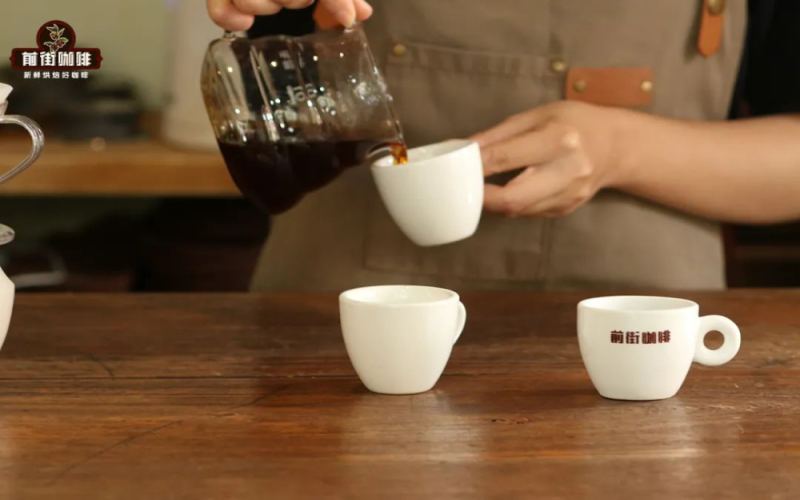
How to Identify Coffee Bean Processing Methods: A Practical Guide to Silver Skin Observation and Flavor Tasting
Many coffee enthusiasts can quickly determine a coffee bean's origin, variety, and processing method through observation and tasting. This is not an innate talent, but rather the mastery of certain practical techniques. Front Street Coffee has previously shared methods for identifying varieties with everyone, and this time will focus on how to distinguish coffee bean processing methods. The article unfolds from two angles: first, observing the amount of remaining silver skin, and second, distinguishing the flavor differences brought by different processing methods through tasting. Whether you are a coffee novice just starting out or an enthusiast hoping to further improve your tasting skills, these methods can help you more accurately understand the characteristics of processing methods such as natural, washed, and honey, so that you can make wiser choices when purchasing and brewing. [more…]
Which type of oolong tea does Tieguanyin actually belong to? Is its caffeine content high? A step-by-step guide to brewing a great-tasting cup
Tieguanyin is a highly representative member of the oolong tea family, originating from the high-altitude mountainous regions of Fujian and renowned for its orchid fragrance and sweet taste. It is a semi-oxidized tea, with an oxidation level between that of green tea and black tea, retaining freshness while adding mellowness. Many tea lovers wonder: does Tieguanyin contain caffeine? The answer is yes, but in moderate amounts, roughly half that of coffee. This article will explore Tieguanyin's varietal characteristics, factors affecting its caffeine content, health benefits, and brewing techniques, along with product recommendations from the Front Street brand, to help you gain a comprehensive understanding of this tea and brew a cup full of floral aroma. [more…]
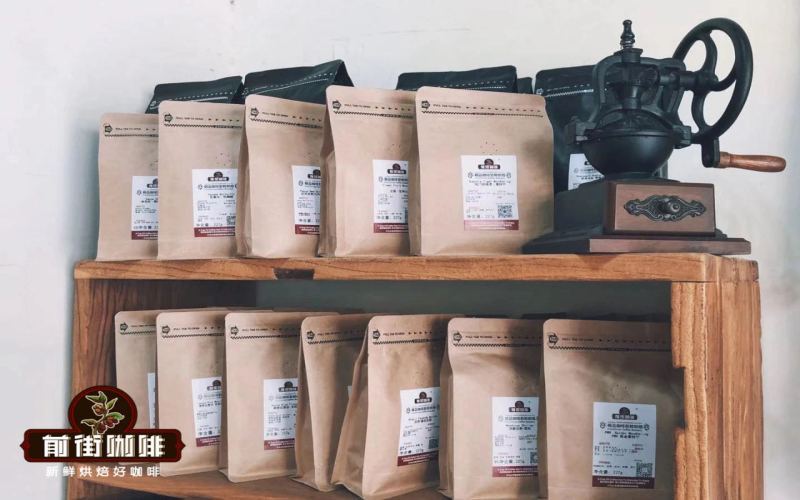
Kenyan Coffee Development History and Flavor Tasting Guide: A Complete Analysis from Planting Origins to Brewing Techniques
Kenyan coffee is renowned worldwide for its bright acidity and berry flavors, making it a favorite among many coffee connoisseurs. This article will take you through the history of Kenyan coffee cultivation from the late 19th century to the present, outline the terroir characteristics of six core production regions, explain the meanings of grading systems such as AA and PB, and share Front Street Coffee baristas' brewing parameters and techniques for Kenyan bean varieties. Whether you are a beginner just getting into specialty coffee or a seasoned enthusiast pursuing the ultimate flavor, you will gain practical knowledge and reference from this article. [more…]
The Specialty Coffee Cup Selection Guide: From Material and Capacity to Color, Understanding the Key Points of Cupware Selection in One Article
In the world of specialty coffee, the choice of cupware is by no means a trivial matter. Coffee cups made of different materials deliver completely different tasting experiences—ceramic cups are robust and rustic, suited to dark, intense coffees; porcelain cups are fine and smooth, and bone china in particular brings out the delicate flavors of coffee even better. Cup shape and size are equally key: small cups of 60 to 80 ml suit pure single-origin tastings, standard cups of 120 to 140 ml are convenient for mixing, and mugs of 300 ml or more pair perfectly with milk coffee. In addition, a white interior best sets off the coffee's color, and coffee cups and tea cups are clearly distinguished by shape and light transmission. This article also covers warming techniques and everyday cleaning methods, and recommends related cupware choices from Front Street Coffee, helping enthusiasts enhance coffee flavor through the details. [more…]
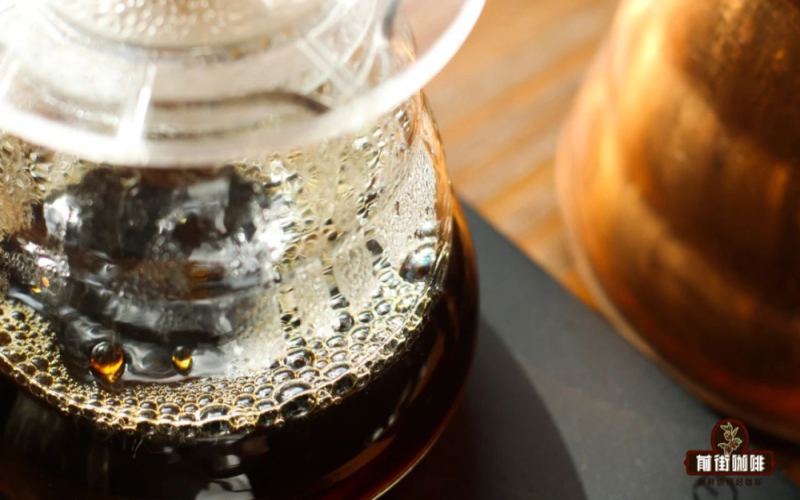
Pour-Over Coffee Beginner's Guide: From Equipment Preparation to Three-Stage Extraction, Master Proper Brewing Techniques and Flavor Adjustment
Preparing breakfast for the family in the morning and then brewing a pot of aromatic coffee can both refresh the mind and set a calm tone for the day. Pour-over coffee and brewing gongfu tea share a similar spirit—different teas call for their own water temperatures, vessels, and steeping times, and the same goes for coffee. Compared with machine brewing, manual extraction allows more flexible adjustment of water temperature and flow, restoring each bean's original flavor profile and allowing fine-tuning of the brewing method to personal taste. In the process of pouring, waiting, and tasting, one becomes focused and calm, and pour-over is also a great medium for entertaining and chatting, which is why it has become increasingly popular in recent years. This article is aimed at pour-over beginners, explaining everything from bean selection and equipment preparation to extraction steps, and includes several beans recommended by Front Street Coffee along with a complete three-pour brewing demonstration to help you brew your own cup of coffee. [more…]